Key points
- What it is. Draft is the taper on every vertical wall that lets the part leave the tool. Without it the part tears or the mould is scraped out.
- Typical values. 0.5–1° per side on smooth walls, 1.5–2° on textured surfaces, because texture depth is added on top of the angle.
- Why it hits price. Too little draft means hand polishing, slower ejection and higher scrap — it shows up as days on the machining centre, not as a line on the quote.
- Best question. “What draft did you assume on the textured faces?” — asked before steel is cut, it is free. After, it is a tool modification.
Every die-cast part has a draft angle. It is the taper cut into every vertical face so the part can leave the mould. It is invisible on the finished product, it is the first thing a toolmaker looks at, and it is the most common reason a DFM report comes back with a cost increase attached.
What it is, physically
When molten aluminium cools in a steel die, it shrinks onto the core. Without taper, the part grips the steel and either tears on ejection or drags, leaving a scored face. A draft of 1–2° per side lets the part release cleanly.
Zero draft is not "tight tolerance". It is a part that cannot be made.
Why the angle matters to your price
| Draft | Effect | Cost impact |
|---|---|---|
| 0.5° | Possible, but needs polished tool steel and slower ejection | +8–15% cycle time |
| 1.0–1.5° | Standard for most hardware parts | baseline |
| 2.0°+ | Fast ejection, forgiving tool, longer tool life | −5% cycle time |
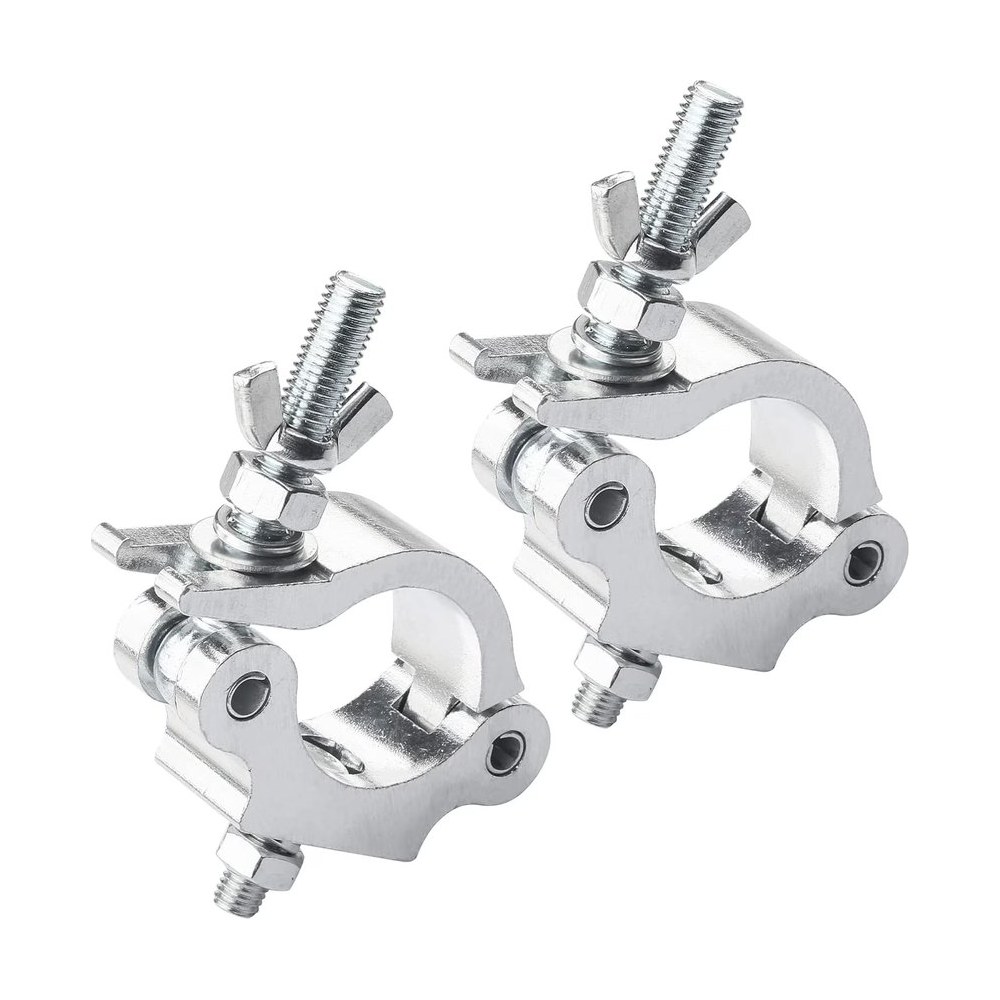
The trade is always the same: a tighter draft buys you a straighter wall and costs you cycle time and tool maintenance. On a clamp body nobody notices 1.5°. On a visible face with a texture, it matters — textured surfaces need 1° extra per 0.025 mm of texture depth, which is why a "just make it matte" request can quietly add 3° of draft and change the whole part.
What a DFM report is actually telling you
A good DFM report is not a list of complaints. It is a list of cost drivers, ranked. The four that come up most often:
- Wall thickness. Uneven walls cause sink marks and porosity. Fixing it may mean a thicker part that costs more in material but less in scrap.
- Undercuts. Anything that cannot release in the draw direction needs a slide, and a slide is $800–2,500 of tooling.
- Gate position. Determines where the weld line lands. On a load-bearing radius, that is a failure waiting to happen.
- Draft. As above.
If a supplier quotes a new part without a DFM report, they are quoting a guess. The number will change.
The question that saves the most money
When you get a quote that is higher than expected, ask one question: "Which feature is driving the cost?"
Nine times out of ten it is one line on the drawing — a sharp internal corner that needs an EDM cut, a 0.3 mm rib that will not fill, a hole that could be cast instead of drilled. Changing that one line is usually free. Changing it after the tool is cut is not.