A six-dollar clamp holds a three-thousand-dollar light. A three-dollar caster cup protects a forty-thousand-dollar piano. Nobody photographs either one — until it gives way.
“It must not seize after a season on the road.”
The entire brief · Hamburg, 2013
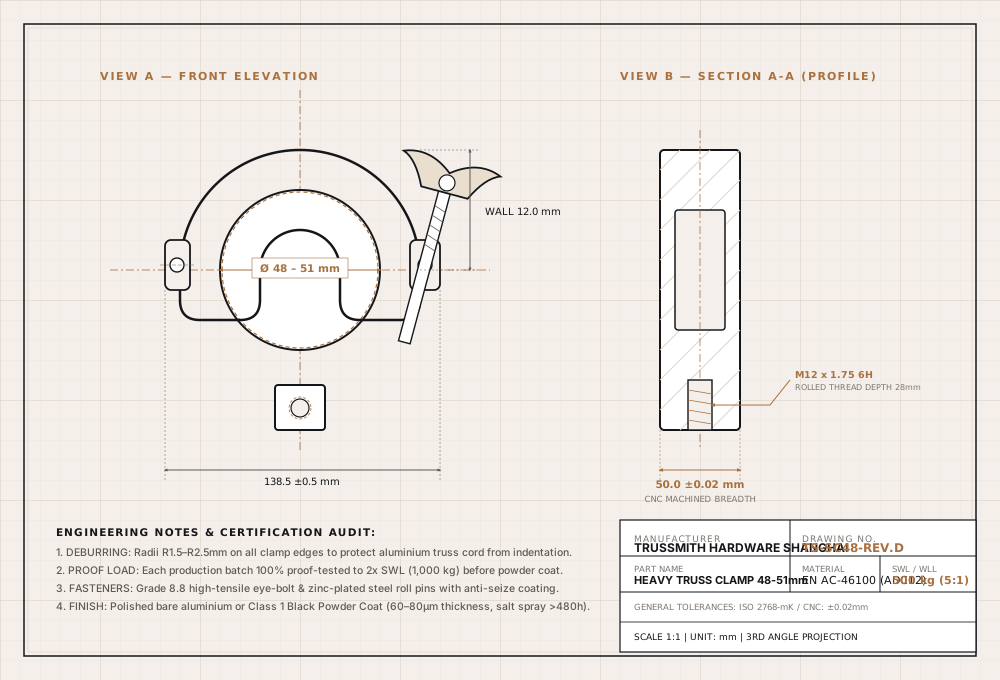
A lighting rental house in Hamburg sent a drawing and a single line. No tolerance callouts, no target price — they had already bought the cheap version twice, and both times the thread galled shut somewhere between the third and fourth rig.
We made 400. Rolled thread instead of cut, a slightly deeper jaw, a body cast 0.4 mm thicker where a void would matter. Thirty cents more each. They are still in service.
That order set the question we still ask: not “does it meet the drawing”, but “is it still working in year three”.
Instrument hardware sits in a gap. Too small for automotive plants to care about. Too technical for a trader to get right — a broker can quote you a clamp, but cannot tell you why yours galled shut.
So it fills with parts designed to a price. None of that shows up in a quotation.
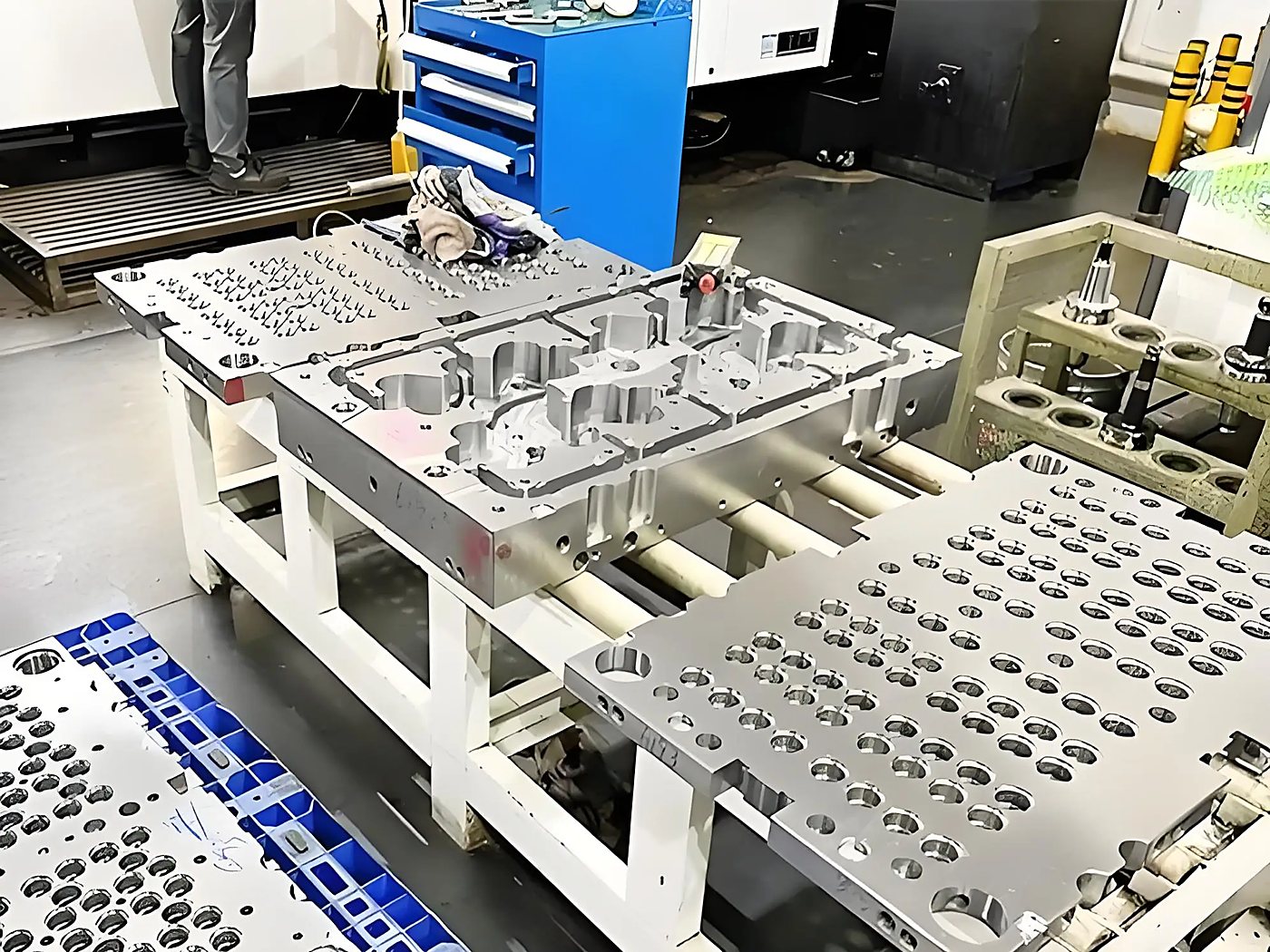
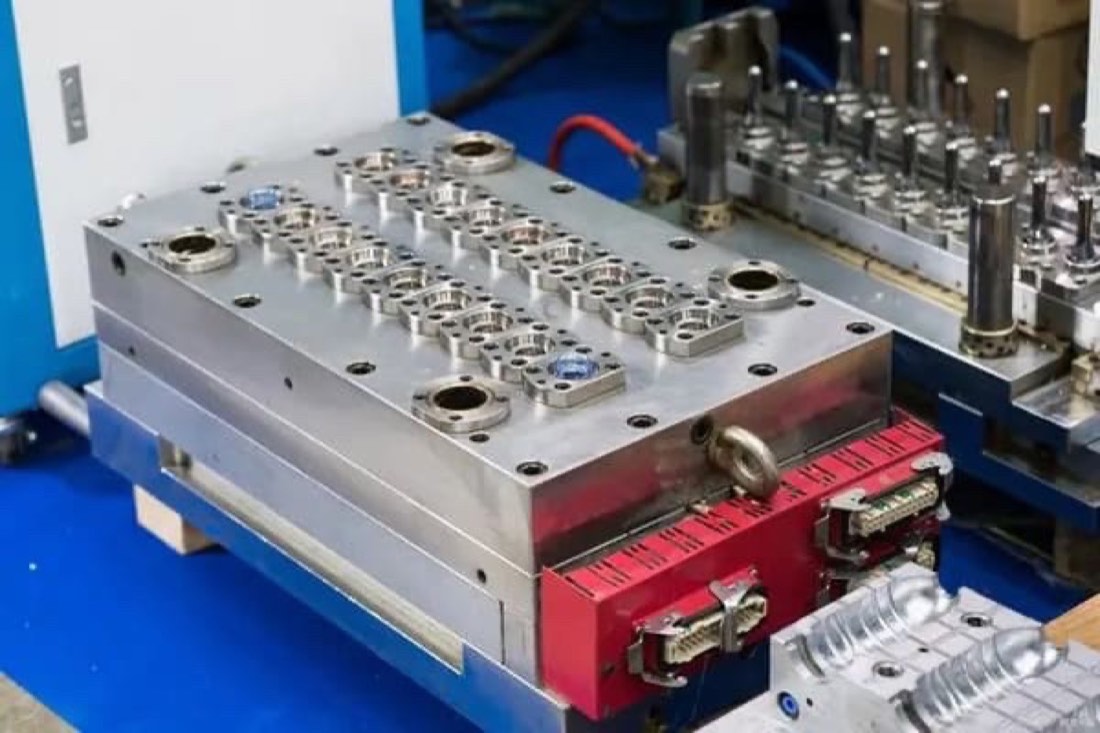
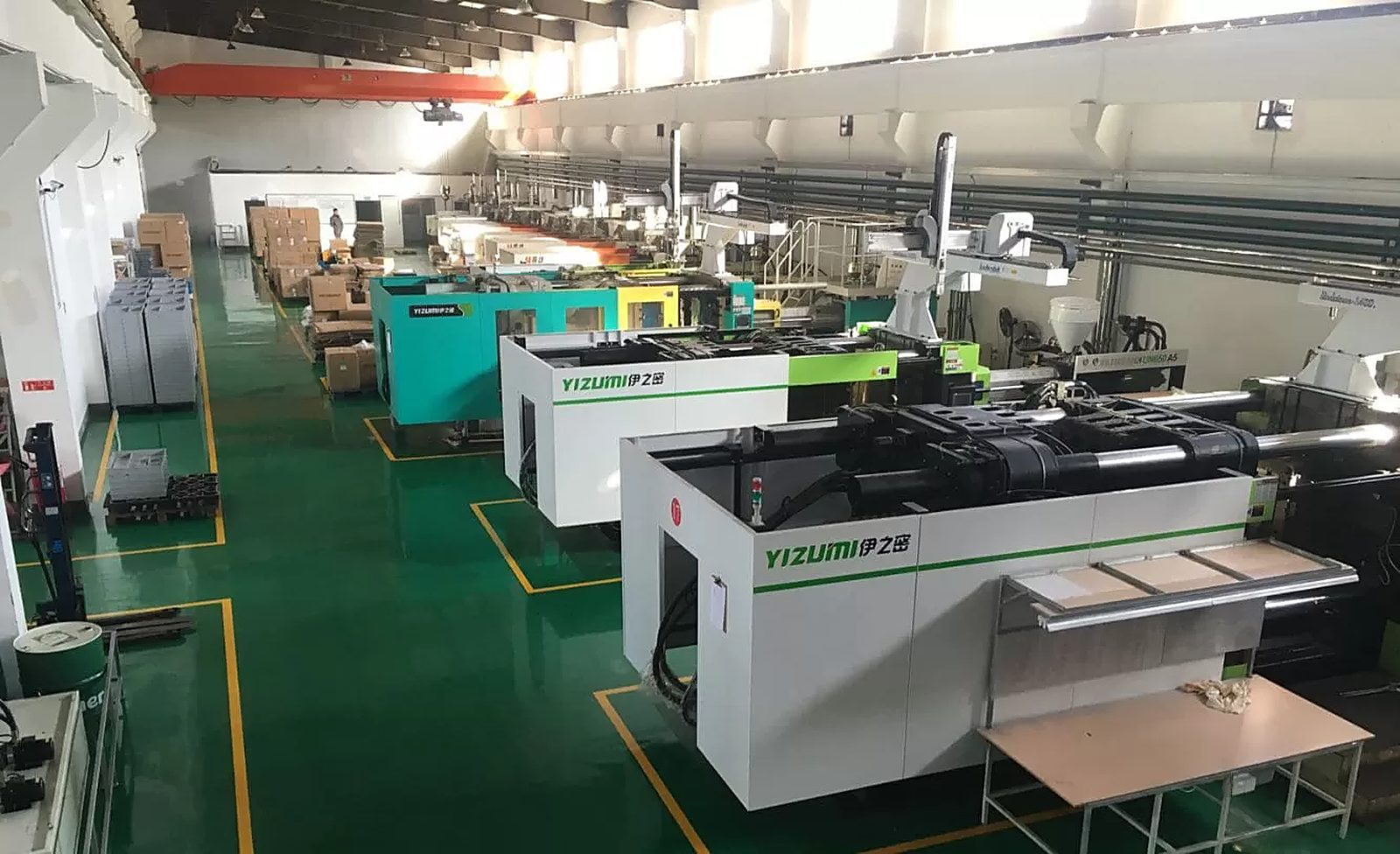
Most factories buy a machine and look for work. We started from the failure mode and bought what prevents it: a tool room, so a draft angle is fixed in days; a proof-load station, so a batch is tested instead of trusted; a polymer line, so a rack ships with its own cradle.
Six processes, one inspection standard. Not an efficiency story — a consistency story. A buyer should not be able to tell which building a part came out of.
The T in our mark has two 45° cuts where the stem meets the bar. That is not a styling decision — it is a gusset, the triangular reinforcement on every cast bracket expected to carry a dynamic shock load.
Bringing tooling in-house in 2018 cut mould lead time from eight weeks to three. When an engineering change is needed, steel gets cut that afternoon — not queued behind ten other jobs at an outside die vendor.
Founded in Shanghai. First order: 400 clamps for Hamburg.
Samples became recurring orders. Hired our first English-speaking sales engineer.
Mould lead time 8 weeks → 3. First article stopped being a negotiation.
We could no longer answer “how do you know” with “we check”.
A rack could finally ship with its own cradle, moulded next door.
Five categories, one quality gate. Private label is 60% of output.
A clamp that survives a concert must first survive thirty days in a container. Five-ply export cartons, ISPM-15 heat-treated skids, 23-micron film and desiccant — LCL pallet or a 40' high-cube, the landed condition matches the gate sign-off.
A factory that says yes to everything is a trading company with machines. The shorter list tells you more about us than the longer one.
No guitars, drums or brass. We spent our decades learning clamps.
Anything with a board has a failure mode we cannot see. We do not ship what we cannot test.
Strings, reeds, picks. If it is thrown away in a month, it is groceries, not hardware.
A sample, yes. A run of forty, no. Tooling exists to be amortised.
We say so in the DFM report, in writing. If that loses the order, it was the wrong order.
We will put you in front of the machines, not in a meeting room with a brochure. Three working days' notice is all we need.